Define the reach path first
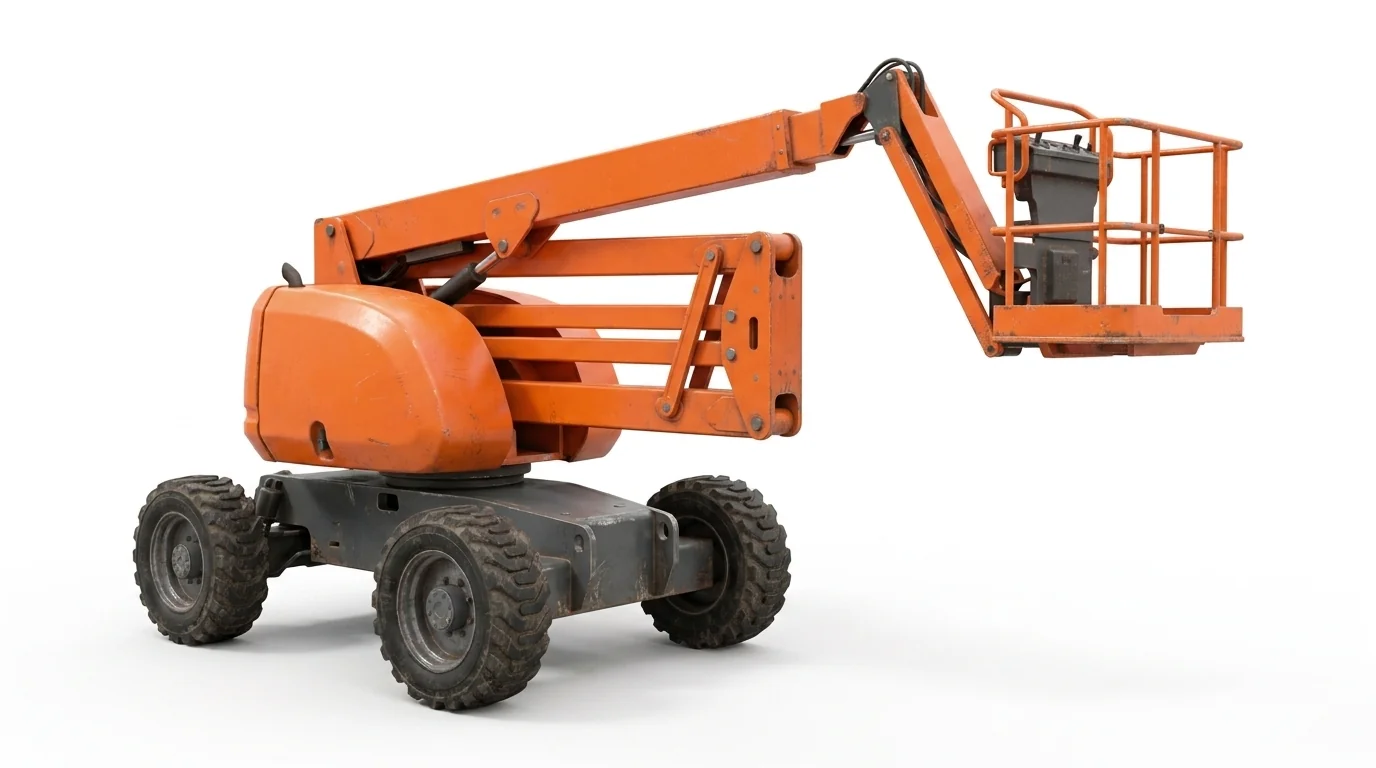
If the task sits straight out from the machine—façade panels, stack lighting, signage, or exterior conduit—telescopic sections extend directly to the target. The chassis can remain farther back from curbs, landscaped areas, or soft edges while maintaining contact with the work line.
Key constraints to map: - Required horizontal reach vs. maximum platform height - Setback distance from slab edges, fencing, or loading lanes - Swing clearance for tailswing and counterweight on open ground
Melbourne site conditions
Local yards and construction lots often mix concrete, compacted base, and sandy shoulders. Long-reach setups benefit from stable staging points; soft margins may push the machine farther back, increasing the needed outreach. Coastal humidity and salt air also make diligent inspection and maintenance schedules important over multi-week projects.
When a straight boom excels
- Pole and mast work across open aprons: a telescopic boom reaches high fixtures without weaving around obstacles.
- Exterior siding or glazing on broad elevations: faster repositioning along a long workface.
- Open interior bays with clear floor lines: if the approach is clear, a straight boom may outperform an articulating unit.
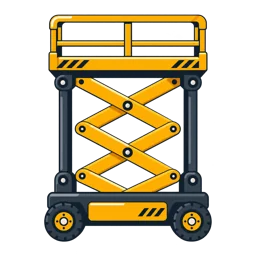
If the path is blocked by mezzanines or racking, check /articulating-boom-lift-rental/. If vertical tasks with limited outreach define the job, see /electric-scissor-lift-rental/ for indoor floors or /rough-terrain-scissor-lift-rental/ for uneven exterior slabs.
Measurements that narrow the class
Measure the working height, horizontal reach to the target, and any required negative reach below grade lines, such as trench-side access. Confirm gate widths, turning areas, and the need for non-marking tires for finished surfaces.
Actual conditions, the selected unit’s instructions, and site procedures govern elevated work planning.