Two paths: vertical vs. outreach
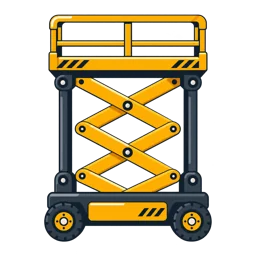
- Scissor lifts go straight up and favor larger platforms when the machine can sit directly below the task.
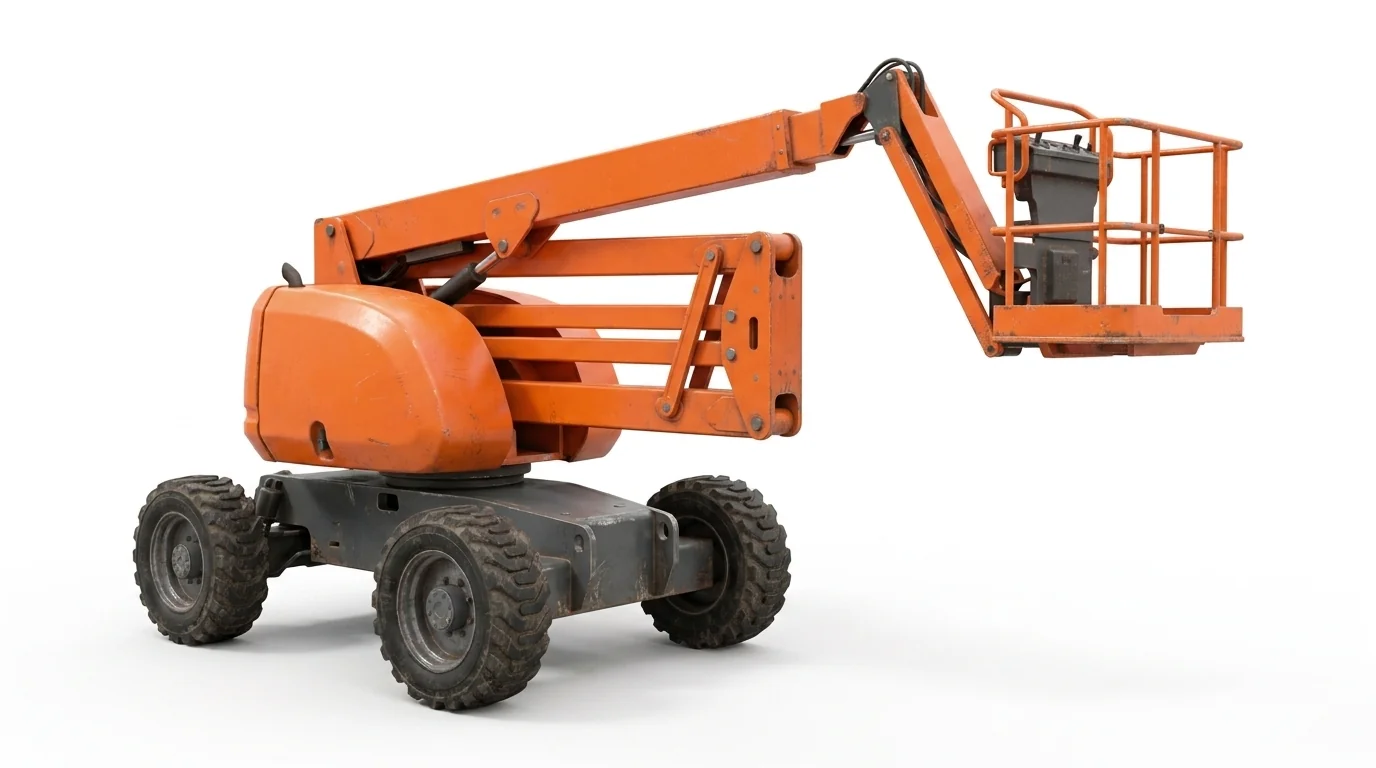
- Boom lifts add horizontal reach to clear obstacles, conveyors, canopies, or tooling.
Local factors that change the choice
- Indoors: electric power suits enclosed aviation and logistics interiors with long travel distances and air-quality expectations.
- Outdoors: sandy soil and mixed grades call for rough-terrain specs. Sudden storms may pause exterior work and shift crews to interior lists.
Scissor categories
- Electric scissor lifts: compact widths for aisles and doorways; best on finished slabs. Learn more at /electric-scissor-lift-rental/.
- Rough-terrain scissor lifts: wider stance, outdoor traction, and higher ground clearance for unfinished grounds. Details at /rough-terrain-scissor-lift-rental/.
Boom categories
- Articulating booms navigate up-and-over paths around obstacles with multiple pivot points.
- Telescopic (straight) booms prioritize horizontal reach and precise positioning at height. Explore related paths:
- /boom-lift-rental/
- /vertical-mast-lift-rental/
Measurements that narrow the list
- Required platform height or working envelope, including reach if obstacles exist.
- Machine width vs. narrowest travel path, including door frames and racking aisles.
- Surface rating and floor capacity for mezzanines or slabs, plus ground bearing outdoors.
Space Coast considerations
Large-span interiors common to local industry benefit from low-noise, indoor-rated equipment with efficient battery systems. Perimeter work on sandy soils often demands rough-terrain features, even for short moves between pads.