Start with the load and aisle
Note the heaviest typical pallet and the narrowest aisle where it must turn. From there, mast height and collapsed height determine whether the unit clears door headers and racks. If dock work dominates, confirm approach ramps and threshold changes that affect stability.
Local floor and weather effects
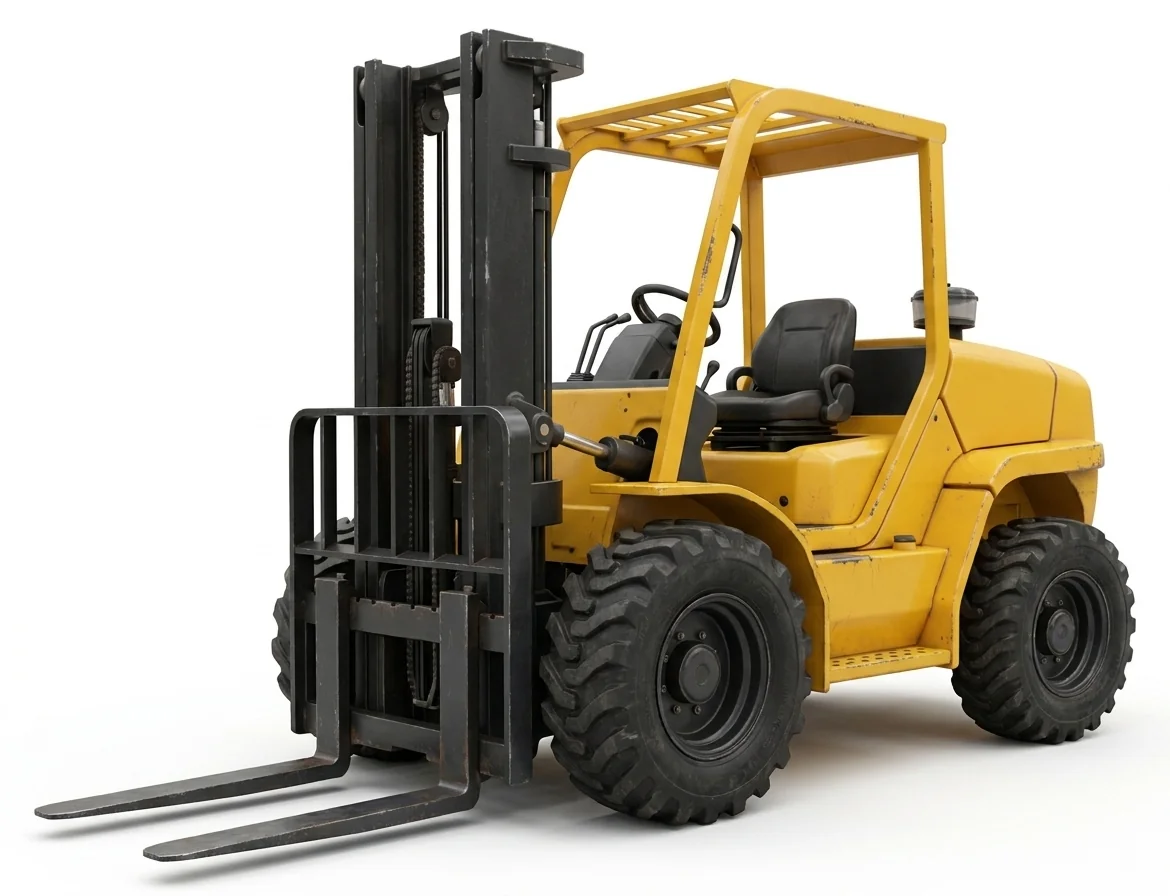
High humidity and salt air favor clean indoor power options when the task lives inside for long shifts. If operations cross from climate-controlled interiors to sandy exterior aprons, pneumatic-tire forklifts handle debris and transitions better than strictly indoor units.
Common Melbourne patterns
- Logistics interiors: cushion-tire electrics excel on smooth slabs with defined aisle widths. For higher picks with limited outreach, compare /vertical-mast-lift-rental/ when only people and small tools need elevation.
- Mixed indoor/outdoor: dual-duty forklifts accommodate dock plates, ramps, and occasional yard moves.
- Yard and staging: if most work is exterior with uneven ground, consider /telehandler-rental/ for reach and ground clearance.
Measurements that narrow the class
- Load dimensions and center of gravity
- Aisle width at the tightest turn
- Doorway and overhead clearance for mast and overhead guard
- Surface type: polished slab, sealed concrete, or mixed surfaces with sand and aggregate
Actual conditions, the model’s instructions, and facility procedures determine safe handling and travel.
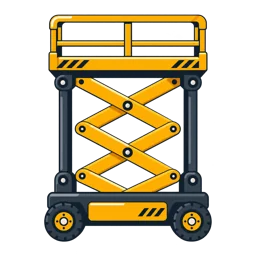
For elevated person access rather than pallet movement, see /aerial-lift-rental/ or /electric-scissor-lift-rental/.