Start with the load, runtime, and placement
- What must run at once, and for how long without refueling or charging?
- Can the unit sit below the task, or does it need cable runs across active routes?
- Will exhaust, heat, or noise conflict with indoor work or neighboring operations?
Indoor logistics projects in Melbourne, FL often prefer quiet power with minimal emissions to keep work going during afternoon storms. For hangar or high-bay maintenance, consider how far light has to throw and whether fixtures need to clear door openings.
Coastal environment and equipment choice
The regional climate pushes two constraints: corrosion and moisture. Outdoor generators and light towers near the coast benefit from enclosures and routine inspection intervals. If the machine works on sandy soil, weight distribution and tire design affect stability when repositioning. For lighting, salty air can haze lenses and reduce output if not maintained.
Access routes and cable management
- Measure the narrowest point on the route from drop-off to the work area.
- Note grade changes, curbs, and soft shoulders where a trailer might sink.
- Plan cable runs that avoid forklift aisles and door thresholds in distribution buildings.
When light needs to reach tall interiors, document mounting height and aisle spacing. For exterior staging, consider prevailing wind corridors around industrial sites that can push tower masts and create shadows.
Output and distribution basics
- Power: total watts, starting vs running load, and sensitivity of electronics.
- Lighting: lumens, color temperature, and glare control for task precision.
- Runtime: fuel capacity or battery capacity versus shift length.
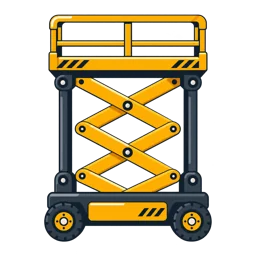
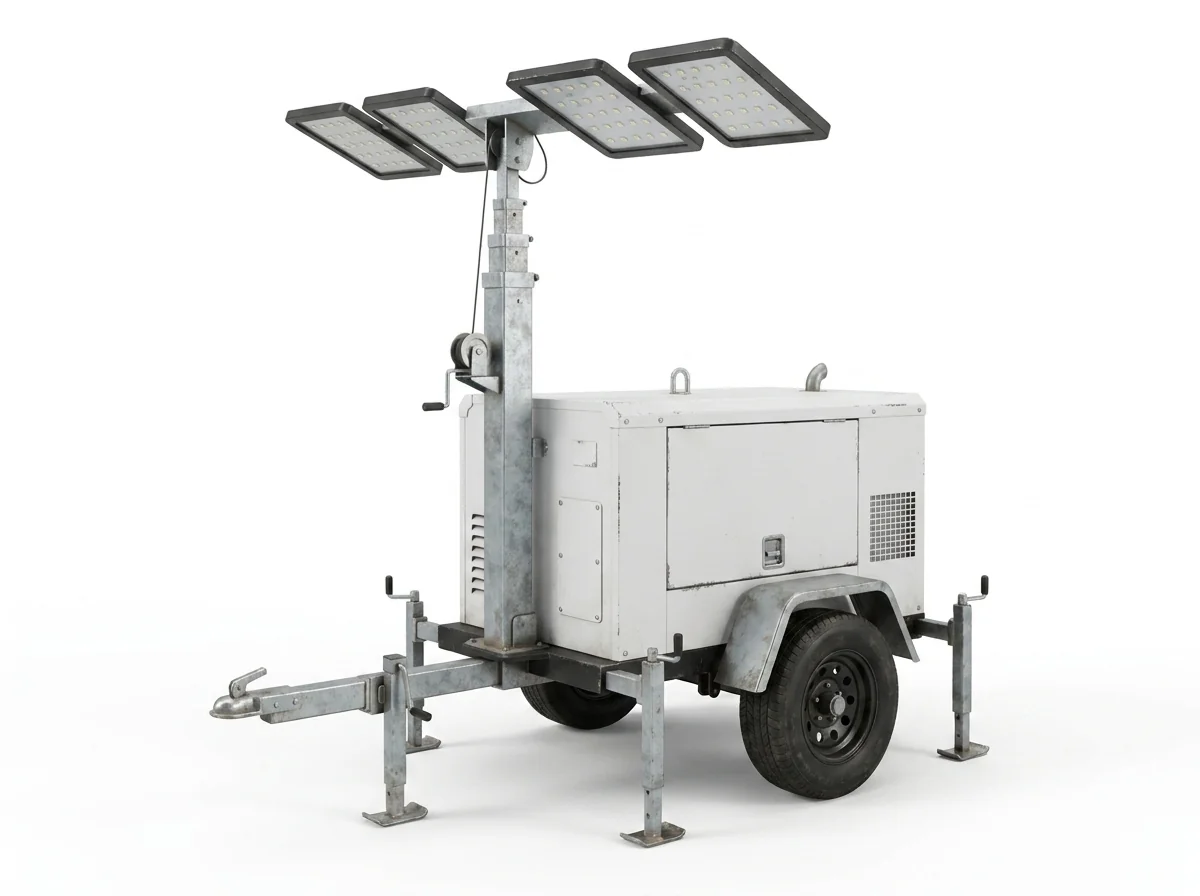
Where aerial access work is happening, coordinate placement with lift movement. Narrow aisles for electric scissor lift work often pair with compact, quiet light sources. Large outdoor staging with sandy pads and uneven approaches may align with rough-terrain scissor lifts and towable towers.
Contingency for weather shifts
Seasonal thunderstorms can pause exterior tasks and push crews indoors. A plan that swaps to electric lighting and indoor-rated power keeps schedules intact. Note any automatic transfer needs if sensitive equipment cannot lose power.