Define the pick and place
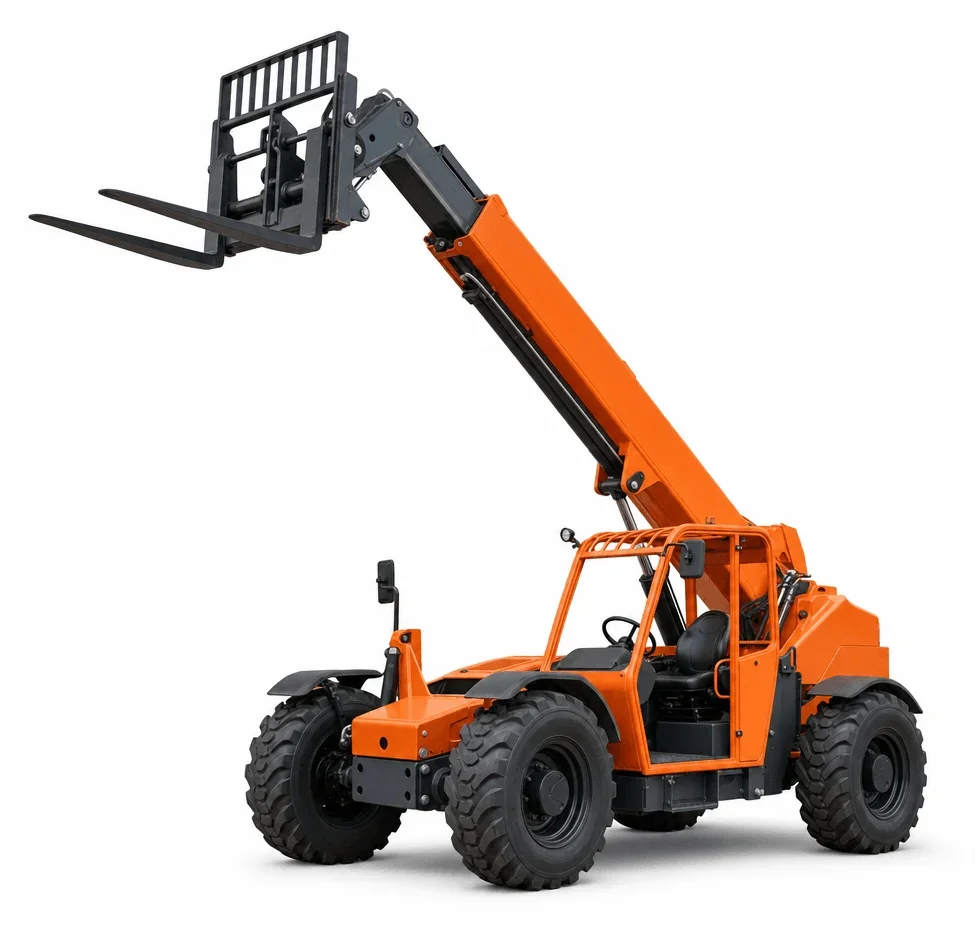
Start by identifying the heaviest routine load, the lift height, and the forward reach needed at that height. If the pallet must pass over railings or racking and land several feet back, the load chart at that reach drives the size class.
Local ground and weather considerations
Coastal humidity and salt air can influence maintenance needs over longer rentals, while seasonal storms often compress schedules and increase demand for dependable day-to-day uptime. Sandy soils around new construction and yard perimeters call for ground clearance and tires that keep the machine mobile between laydown and placement points.
Fitting the machine to the site pattern
- Slab-on-grade builds with limited staging: compact telehandlers navigate between columns and place bundles on decks without blocking aisles for long periods.
- Logistics build-outs: consistent pallet picks to elevated bays favor mid-size units with steady reach at working height.
- Exterior masonry or steel work: higher reach classes place materials past partially completed walls; if the task shifts to personnel access at height, see /boom-lift-rental/.
Attachments and access notes
Site rules and the chosen model govern any accessory use. From a planning perspective, verify fork dimensions relative to pallet design and confirm that gate widths and turning radii along haul paths accommodate the wheelbase.
For floor work or personnel tasks, compare /forklift-rental/ and /vertical-mast-lift-rental/. For elevated exterior tasks once materials are staged, consider /telescopic-boom-lift-rental/.
Actual conditions, the equipment’s instructions, and site procedures control safe lifting and placement at all times.